


Monarchs and Milkweed
(9:30 minute video) Monarch butterfly populations have declined 90 percent across the US. A key piece of their habitat has been wiped out by farms and urban sprawl. Milkweed is the single most important plant for monarchs. It’s the only one they lay their eggs on and young caterpillars eat. People are encouraged to plant milkweed wherever they can to help monarchs along their long migration routes. [IMPORTANT: Plant only milkweed that is native to your area. In Oregon's Willa


Oak Woodland Lot Added to North End of Park!
In late 2015, Friends of Rasor Park scrambled to get the City of Eugene to acquire a parcel of land adjacent to the north end of the...
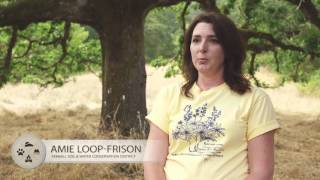
Oregon's Oak: A Vanishing Legacy
(8:28 minute video) Oregon white oaks or Garry oak (Quercus garryana) is an iconic tree of the Willamette Valley and Pacific NW. Its...


Restore Oregon Oak Habitat
(2-page brochure.) Walama Restoration Project: Restore and Protect a Native Ecosystem in Your Backyard; A Vanishing Ecosystem; Oaks and Their History in the Willamette Valley; How Should I Restore and Preserve My Oak Habitat? #Northwest #Oregon #Restoration #WillametteValley #OakSavanna #OakWoodland #Biodiversity #OregonWhiteOaks
Oregon Explorer
You can search the Oregon Explorer website (OSU Institute for Natural Resources) for a wealth of information about the natural history and landscapes of the Willamette Valley. Here are some snippets we gleaned on earlier explorations. "Preserving and restoring natural ecosystems is one way citizens of the Willamette Valley choose to maintain their quality of life." "By 1850...[the] ecological mosaic that had seen relatively gradual change for a 1,000 years entered a period


The Living Landscape: Designing for Beauty and Biodiversity in the Home Garden
Many gardeners today want a home landscape that nourishes and fosters wildlife. But they also want beauty, a space for the kids to play,...


Bringing Nature Home: How You Can Sustain Wildlife with Native Plants
( book by Doug Tallamy, several versions available in papeback and hardback) "The value of oaks for supporting [...] wildlife cannot be overstated. [...] Acorns fill the bellies of deer, raccoons, turkeys, mice, black bear, squirrels, and even wood ducks. Cavities that develop in living and dead oak giants supply vital nesting sites for dozens of species of birds [...] no other plant genus supports more species of Lepidoptera, thus providing more types of bird food, than the


Northwest Prairies: What is a Prairie?
(16:46 minute video) An educational documentary about Puget Sound prairies: what are prairies; Native American use of prairies; loss of...


City of Eugene Native Plant Alternatives
(6-page PDF document) Native Plant Alternatives. "There are many beautiful native species that are readily available from local native plant nurseries. Below is a list of some of the more common species that are found in the southern Willamette Valley. While native species generally require less water and care than non-native species, this is only true when planted in the appropriate soil moisture and sunlight conditions. We have tried to include brief notes on habitat requi


Western Oregon Prairies
(2-page brochure) What are prairies?; Animals and plants of upland prairies; Are prairies in trouble?; How can you help? Native prairies are a severely endangered habitat in Western Oregon... Oregon State University and US Fish and Wildlife Service. Western Oregon Prairies


